
In the Beginning...
... there was Doctor Who and Tales of the Uncanny.

Like everyone who works in the genre, in my nearly twenty-five-year career as an editor and horror journalist, I’ve been asked about how I fell in love with the dark stuff many, many times. What none of these interviewers knew was that in order to properly answer that question, it would eat up more word count than they could ever print, and just as likely, fully derail any further Q&A.
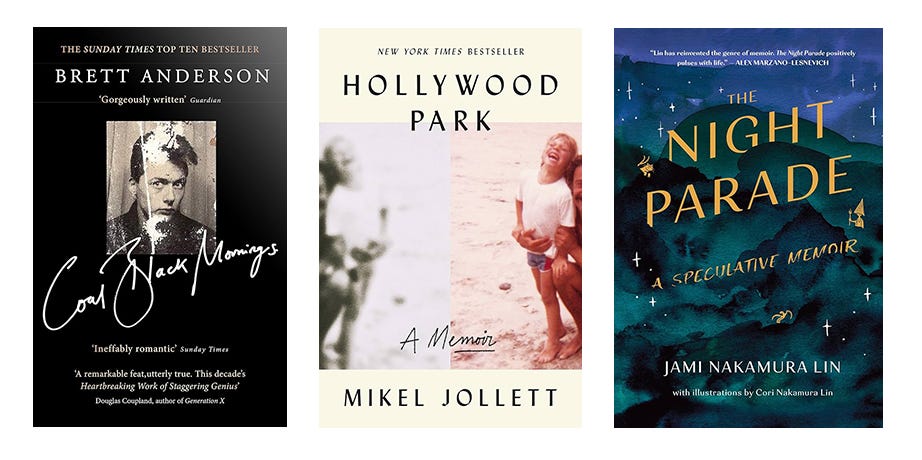
Maybe that’s part of what I imagine doing here, looking at my love of horror literature through the experiences of my life. After all, everyone interprets and reacts to stories differently, because their lives have been different, full of their own individual struggles, losses, and successes. Further, I’ve long been interested in the intersection of mental health and trauma and creativity, and more recently in the art of writing memoirs (inspired in part by Brett Anderson’s Coal Black Mornings, Mikel Jollett’s Hollywood Park, and Jami Nakamura Lin’s The Night Parade).
Questions I’ve asked myself a lot over the last three years are: would I still love horror as much without the childhood trauma? Who might I have become without the CPTSD? The first one is unanswerable, of course. However, if I keep doing the healing work, I think I might have enough time left on this mortal coil to figure out the latter. But that’s a conversation for another day.
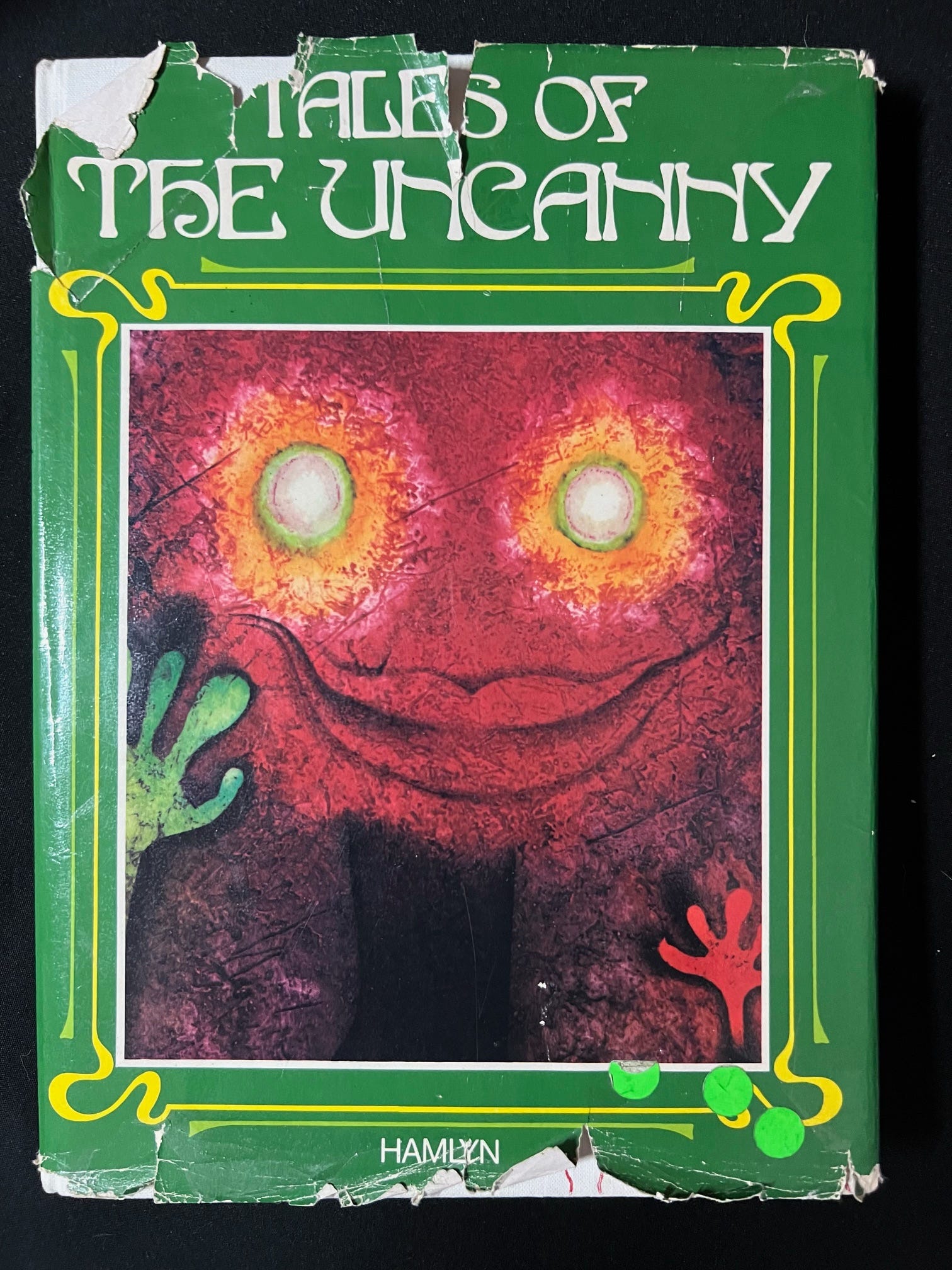
My first exposures to horror were through classic Doctor Who, watched with my mother in the afternoons after kindergarten, and a book called Tales of the Uncanny (Hamlyn, 1976). I don’t know how this oversized hardcover volume came into my life, only that it appeared at our once-cottage one summer in the early 1980s. Perhaps it was left behind by the previous owners, but the much more tantalizing idea is that my mother acquired it from somewhere. The name scribbled on the first page is not my mother’s nor is it that of the former owner of the cottage, which makes that another unanswerable question, because seventeen months after that book entered my life, my mother left it. The things I know about her could probably be rhymed off on less than ten fingers. Where she found that book is not one of them.
So you could say that my childhood was also full of mysteries, not just trauma.
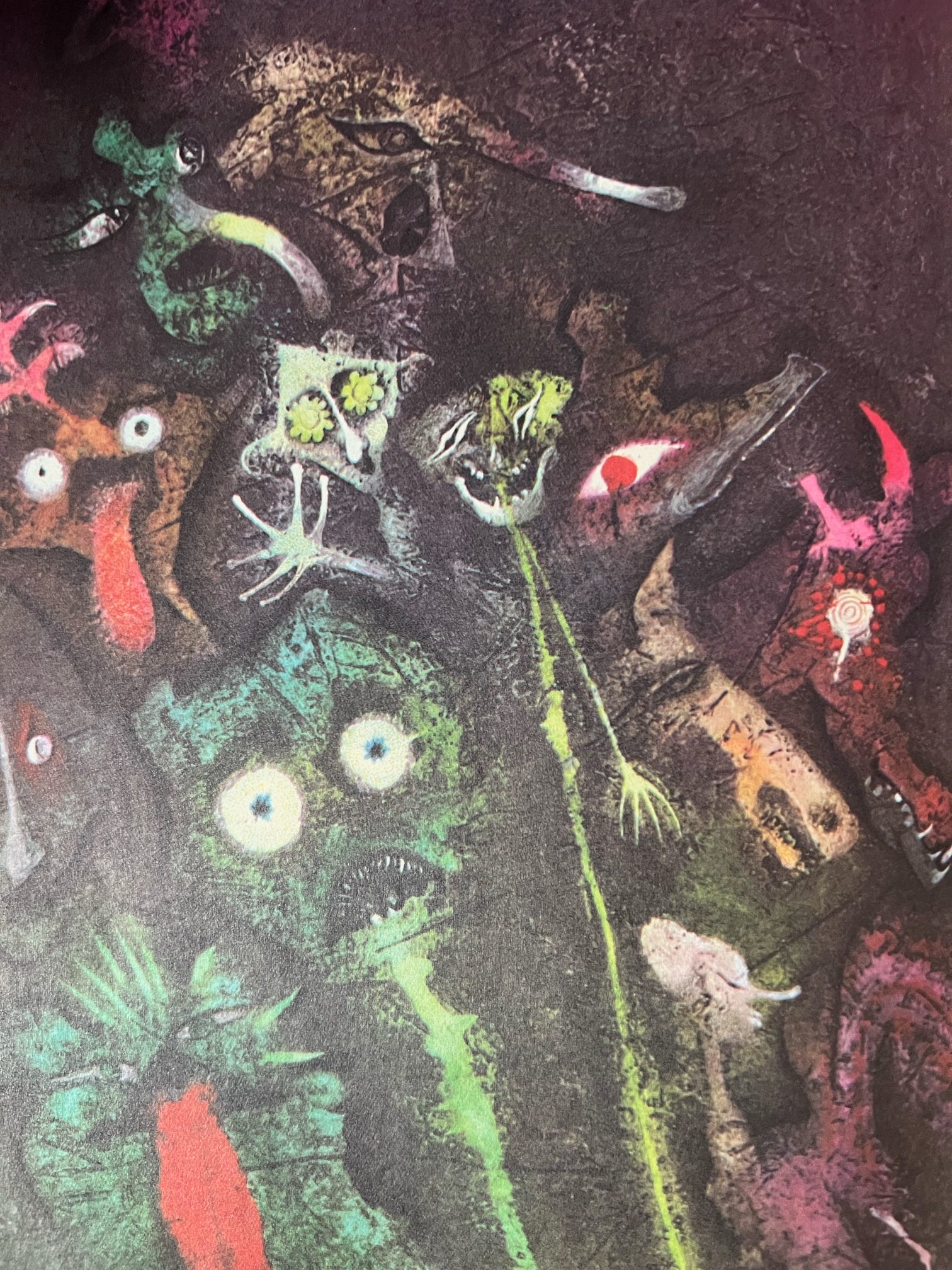
Tales of the Uncanny, which featured incredibly weird and terrifying illustrations by Czech painter Jaroslav Šerých (see below), would prove formative for many reasons, but perhaps the top two:
It was full of ghost, demon, and monster stories from far-flung places like Serbia, Georgia, Greenland, Japan, Tibet, Persia, China, Vietnam, Guatemala, Borneo, and more, and cemented my curiosity about not just folklore and scary stories, but horror from around the world.
It transported me to places (and situations) beyond my then-wildest imagination, and by the summer before my mother’s death, I understood that books were a place to escape to when things felt impossible. I could live a million different lives in stories (and I did).
Of course, in the days and weeks after my mother’s passing, as her things began vanishing from the house (a horror story in its own right to a child), Tales of the Uncanny became more than just a book. It became a connection to her, a thing that we shared when there would be no more things to share. Since then, it’s accompanied me on every move (as evidenced by that well-loved, tattered cover complete with some round green stickers kid-me put on it), I’ve read from it at public events, and it’s now been in my life nearly as long as all my mother’s years on this planet. I can trace a clear line from Tales of the Uncanny to today, as I wrap out my 180th issue of Rue Morgue.
My own daughter is nearly ten (older than I was when I discovered Tales); we read the stories together now. I’ve turned it into an intergenerational tradition. And we’ve expanded on it, collecting more recent books of international horror/folklore, including Chronicle Books’ Monstrous Tales: Stories of Strange Creatures and Fearsome Beasts From Around the World, among others. We don’t just read the stories either, we talk about them afterwards. I can’t remember if my mom did that. But I’d like to think she did.
She started me on a path that I’m still walking some forty-two years later, and that’s no small thing. (I love you, Mom.)